Singapore looking to develop policy framework for energy storage
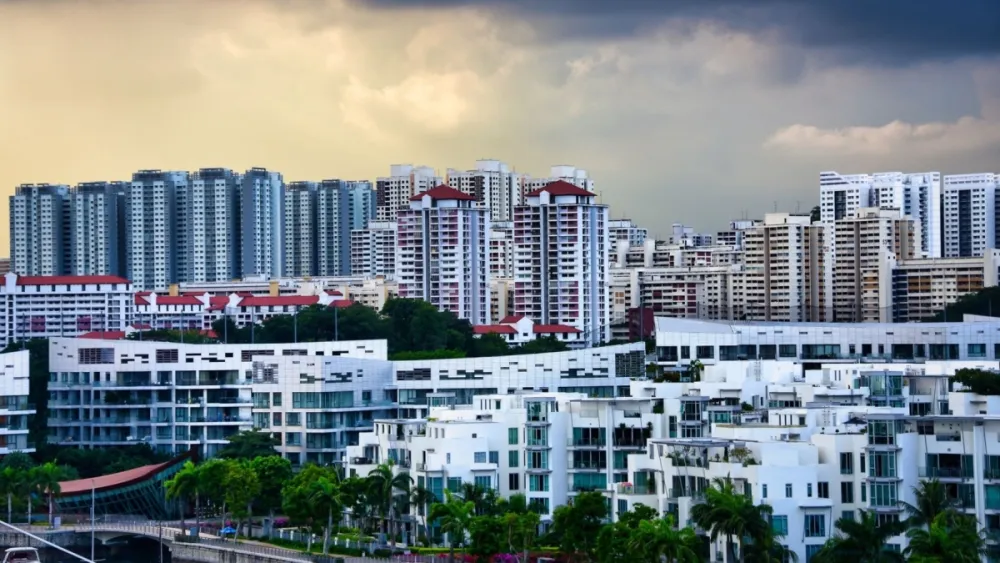
By Gautam JindalIn order to fulfil its commitments under the Paris climate change agreement, Singapore’s climate action plan includes a number of strategies, including reduction of emissions from its power generation sector. Already, Singapore generates more than 95% electricity using combined cycle gas generators; thus, it needs to increase the share of Solar PV to achieve further reductions.
However, Singapore’s electricity regulator – the Energy Market Authority (EMA) – is rightly concerned about the impact of high PV penetration on grid stability. Experience from other electricity markets with relatively high percentage of PV and wind has shown that variability and intermittency impacts can be reduced by spreading the installation of these resources across large areas. Furthermore, strong interconnections with other power systems allow for increased balancing errors to be cancelled out and also allows for sharing of flexible conventional generators.
Thus, for geographically small, isolated power systems like Singapore, energy storage will play a vital role in supporting higher levels of PV deployment. In 2015, Singapore opened its electricity market for energy storage systems (ESS) by allowing them to bid for offering “regulation” service. Regulation is a frequency balancing service which is used to correct the generation – demand imbalances within a 30-minute trading period caused by load variability and load forecasting error.
This followed a rule in 2014, which allowed PV systems that were paired with energy storage, to not be classified as “intermittent” and potentially participate in the wholesale market.
However, ESS’ are very dynamic and can offer a number of solutions to generators, grid operators, and consumers. As per the Sandia National Laboratories, ESS can provide value in seventeen different types of applications such as price arbitrage, ancillary services such as voltage regulation and load following, facilitating demand side management, and firming up output from variable renewable energy sources.
Recognising this potential, Singapore is now looking to develop a holistic policy framework that will govern application agnostic integration of energy storage solutions in its electricity market.
The framework will seek to answer a number of questions such as – which applications of energy storage deployment can provide the most value in Singapore? How can commercial viable business models be developed for ESS? What changes to regulatory framework are required to accommodate certain unique characteristics of storage systems – such as should ESS be considered as a generation activity, as a load, or neither, or both?
An interesting question that the framework will answer is whether the current electricity market design can provide enough incentives for ESS to participate in the market. For example, studies have concluded that ESS can be much more effective in providing regulation service as compared to a combustion turbine, due to their high ramp rates and ability to accurately follow the AGC signal.
System operators in the US thus provide fast responding regulation providers with a performance payment in addition to the usual capacity payment, making regulation markets more profitable for ESS. Singapore’s rule change on allowing ESS to participate in the regulation market notes this incentive, however its market rules continue to treat ESS at par with other generation asset that provides regulation.
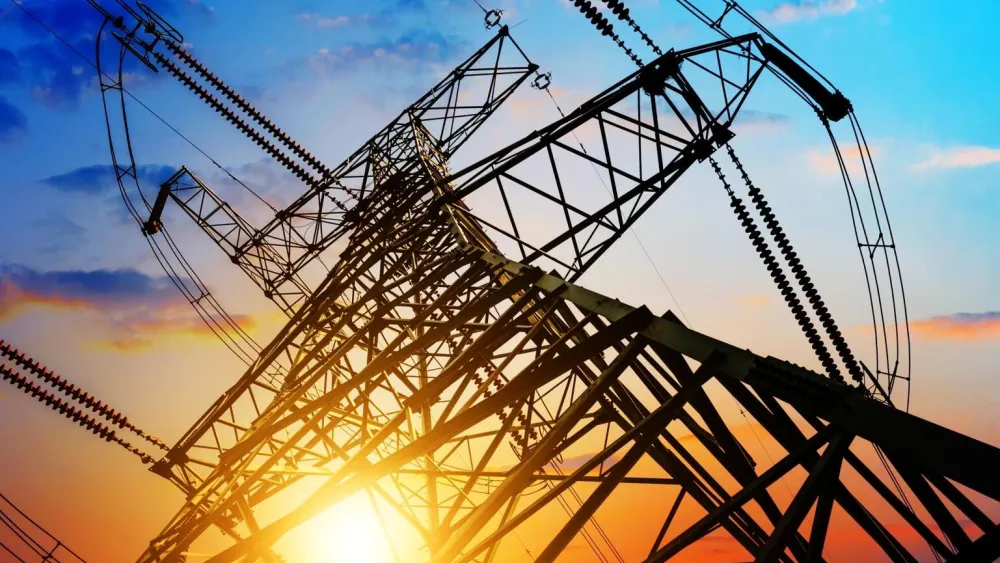
Energy storage has the potential to revolutionise Singapore’s electricity market in the coming years; right from enabling Virtual Power Plants to facilitating demand response, to increasing number of prosumers with PV systems on their rooftops. However, this requires that Singapore develop a solid framework that provides investors with certainty and appropriate incentives to consider investing in energy storage applications that are expected to have the maximum economic value and market potential.



![SBR 5 Lorem Ipsum News 2 [8 May]](https://cmg-qa.s3.ap-southeast-1.amazonaws.com/s3fs-public/styles/exclusive_featured_article/public/2025-05/a_hand_pointing_to_a_futuristic_technology_5b87c9d0e3_3.png.webp?itok=M3Hf-9XR)
![SBR 4 Lorem Ipsum [8 May Top Stories]](https://cmg-qa.s3.ap-southeast-1.amazonaws.com/s3fs-public/styles/exclusive_featured_article/public/2025-05/a_hand_pointing_to_a_futuristic_technology_5b87c9d0e3_2.png.webp?itok=2m5Wl0MX)

![Exclusive three SBR 12 Lorem Ipsum [8 May]](https://cmg-qa.s3.ap-southeast-1.amazonaws.com/s3fs-public/styles/exclusive_featured_article/public/2025-05/a_hand_pointing_to_a_futuristic_technology_5b87c9d0e3_11.png.webp?itok=8kn_UIfA)
![Video [Event News]](https://cmg-qa.s3.ap-southeast-1.amazonaws.com/s3fs-public/styles/event_news_featured_article/public/2025-05/screenshot-2025-05-08-at-4.58.53-pm_0.png.webp?itok=Kud35sMs)
![Event News SBR 9 Lorem Ipsum [8 may]](https://cmg-qa.s3.ap-southeast-1.amazonaws.com/s3fs-public/styles/event_news_thumbnail/public/2025-05/a_hand_pointing_to_a_futuristic_technology_5b87c9d0e3_8.png.webp?itok=DTh_dbYp)
![Event News SBR 9 Lorem Ipsum [8 May]](https://cmg-qa.s3.ap-southeast-1.amazonaws.com/s3fs-public/styles/event_news_thumbnail/public/2025-05/a_hand_pointing_to_a_futuristic_technology_5b87c9d0e3_7.png.webp?itok=vzDAzb6V)
![Event News SBR 8 Lorem Ipsum [8 May]](https://cmg-qa.s3.ap-southeast-1.amazonaws.com/s3fs-public/styles/event_news_thumbnail/public/2025-05/a_hand_pointing_to_a_futuristic_technology_5b87c9d0e3_6.png.webp?itok=jvHFc4P6)


![Video [Event News]](https://cmg-qa.s3.ap-southeast-1.amazonaws.com/s3fs-public/styles/video_thumbnail/public/2025-05/screenshot-2025-05-08-at-4.58.53-pm_0.png.webp?VersionId=D7oD2WQTBYjWvOm6.BdwTAjm0dNCr7Kl&itok=yZnI0YBb)














 Read Here
 Advertise
 Sign Up