Singapore's 'FT' conundrum
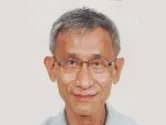
By Yuen Chung KwongAlmost everywhere in the world FT means "Financial Times", but in Singapore these days, it means "foreign talent", currently a "sensitive" issue, to the extent that most of the time FT is used in an ironical way. (BTW, I am a foreigner myself, arriving in 1983 to work for NUS till retiring in 2007.)
Singapore has always been open to immigrants - after all, almost everyone originally descended from immigrants of some kind to start with. So the idea of having foreign talent is not the issue in itself; it is the particular way in which they fit into the social framework.
Foreign talent used to be specialized, e.g., currency traders in Shenton Way, researchers in NUS. Most of the PhD students in the two local universities are foreign -Singaporeans prefer to go to western universities for their PhDs. There are also large numbers of foreign construction workers and domestic maids, jobs shunned by Singaporeans.
For more general job categories, Malaysians used to be an importance source of manpower, but they are usually considered to be so similar in cultural background to Singaporeans that employers treat them more or less as locals. These foreign imports have never before been a political problem.
I believe the current grievance lies in some changes that crept in from about 20 years ago: since the early 90s, foreign undergrads on MOE scholarship began to arrive in large numbers in NUS/NTU, and direct recruitment of staff also began to be done in a significant way from India/China,; this has not just created competition for jobs, but also allowed employers to keep wages down.
In particular, a new work visa category was added such that some of those who do not meet the educational qualification of an Employment Pass can also apply for Permanent residence. In other words, the competition foreigners produce is now more "general" than in the past.
Further, in the old days senior managers in Government Linked Companies and major public organizations had to be local - foreigners were not thought to be able to observe certain local cultural and social behaviours; however, DBS began to have foreign CEOs, and NUS to have foreign deans, some time in the 90s; the idea that "at least certain jobs are only for local" no longer holds; in fact, Temasek Corporation almost appointed a foreign CEO, until it was discovered (aha!) there were cultural issues that prevented the succession to proceed.
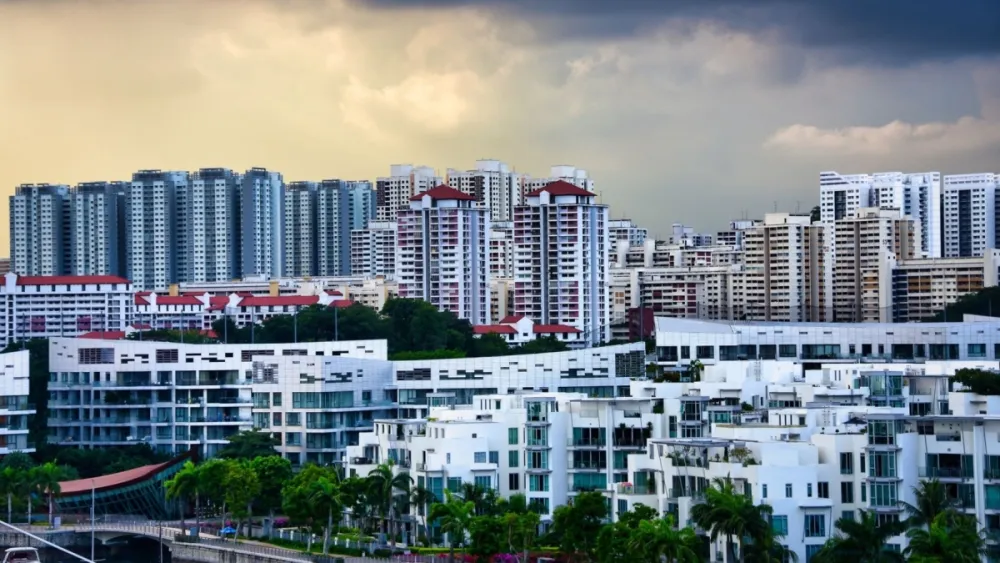
I feel these changes have made FT less psychologically acceptable than in the past, but there are also some material issues; the biggest grievance is the perception that PRs bought HDB resale flats causing prices to rise, after which HDB raised new flats to “market value”, so that those not buying from the resale market are also affected by the higher prices. (Balanced against this is the chance for existing owners to profit by selling in the rising market and moving to private condominiums.)
A second grievance is probably foreign students getting full scholarships to attend NUS/NTU, especially as the male students, compared with their Singapore counterparts, need not undergo National Service. Lately, issues like overloaded public transport have come to the fore. Though the serious MRT breakdowns occurring in late 2011 were not specifically caused by foreigners, they have certainly added to a general negative feeling.
Recently the Government introduced a number of restrictive measures on property purchases, school admission, etc for foreigners; while these might confirm to locals that they do enjoy some entitlements for being local, it is not at all clear how substantial the social impact of these measures will be.


![SBR 5 Lorem Ipsum News 2 [8 May]](https://cmg-qa.s3.ap-southeast-1.amazonaws.com/s3fs-public/styles/exclusive_featured_article/public/2025-05/a_hand_pointing_to_a_futuristic_technology_5b87c9d0e3_3.png.webp?itok=M3Hf-9XR)
![SBR 4 Lorem Ipsum [8 May Top Stories]](https://cmg-qa.s3.ap-southeast-1.amazonaws.com/s3fs-public/styles/exclusive_featured_article/public/2025-05/a_hand_pointing_to_a_futuristic_technology_5b87c9d0e3_2.png.webp?itok=2m5Wl0MX)


![Exclusive three SBR 12 Lorem Ipsum [8 May]](https://cmg-qa.s3.ap-southeast-1.amazonaws.com/s3fs-public/styles/exclusive_featured_article/public/2025-05/a_hand_pointing_to_a_futuristic_technology_5b87c9d0e3_11.png.webp?itok=8kn_UIfA)
![Video [Event News]](https://cmg-qa.s3.ap-southeast-1.amazonaws.com/s3fs-public/styles/event_news_featured_article/public/2025-05/screenshot-2025-05-08-at-4.58.53-pm_0.png.webp?itok=Kud35sMs)
![Event News SBR 9 Lorem Ipsum [8 may]](https://cmg-qa.s3.ap-southeast-1.amazonaws.com/s3fs-public/styles/event_news_thumbnail/public/2025-05/a_hand_pointing_to_a_futuristic_technology_5b87c9d0e3_8.png.webp?itok=DTh_dbYp)
![Event News SBR 9 Lorem Ipsum [8 May]](https://cmg-qa.s3.ap-southeast-1.amazonaws.com/s3fs-public/styles/event_news_thumbnail/public/2025-05/a_hand_pointing_to_a_futuristic_technology_5b87c9d0e3_7.png.webp?itok=vzDAzb6V)
![Event News SBR 8 Lorem Ipsum [8 May]](https://cmg-qa.s3.ap-southeast-1.amazonaws.com/s3fs-public/styles/event_news_thumbnail/public/2025-05/a_hand_pointing_to_a_futuristic_technology_5b87c9d0e3_6.png.webp?itok=jvHFc4P6)


![Video [Event News]](https://cmg-qa.s3.ap-southeast-1.amazonaws.com/s3fs-public/styles/video_thumbnail/public/2025-05/screenshot-2025-05-08-at-4.58.53-pm_0.png.webp?VersionId=D7oD2WQTBYjWvOm6.BdwTAjm0dNCr7Kl&itok=yZnI0YBb)













 Read Here
 Advertise
 Sign Up