Southeast Asian banks must brace for economic slowdown, warns analyst
How susceptible will Singapore banks be?
According to a report by Standard & Poor's Ratings Services, banks in Southeast Asia must brace for slower economic growth amid an uncertain external environment in 2012.
Here's more from Standard & Poor's:
The report, titled "Southeast Asia Banks: Staying The Course Amid Challenging External Environment," said the region's strong dependence on exports makes it susceptible to any external deterioration, especially the European debt crisis.
"Europe is an important trading partner for Southeast Asian countries and further slowdowns in exports might lead to lower economic growth, weaker asset quality, and higher credit costs," said Standard & Poor's credit analyst Ivan Tan. "Despite these challenges, we believe most Southeast Asian banks and economies are capable of withstanding external pressure under our base-case scenario."
Standard & Poor's expects adequate financial profile and good systemwide liquidity to help Southeast Asian banks navigate a difficult 2012. In addition, some banks have adopted defensive strategies and selective growth to manage their risk exposures while preserving capital, Mr. Tan said.
On a more positive note, we believe the retreat of European banks can also present opportunities for Southeast Asian banks to expand their market share and presence. In particular, the larger banks in Singapore and Malaysia are already growing regionally, and are positioned well to meet the financing requirements in these markets. However, we believe these banks are likely to grow sensibly and manage their risks prudently.
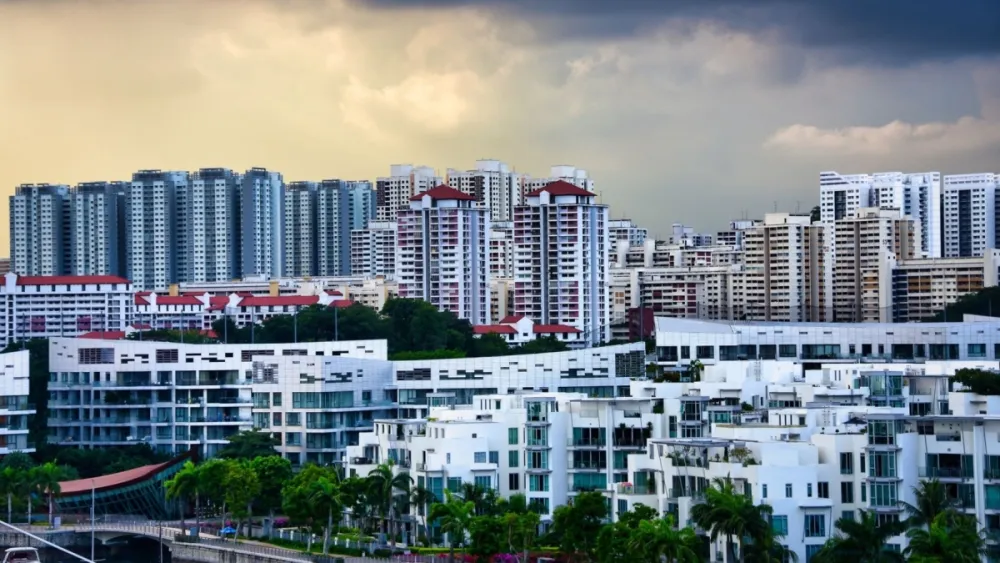
The Southeast Asian region features a diverse spectrum of banks, from the highly-rated, developed banking sector in Singapore, to the investment-grade banking sectors of Malaysia and Thailand, to the emerging and higher-risk systems of Vietnam and Cambodia. The report contains comments on 29 rated banks across seven Southeast Asian systems.



![SBR 5 Lorem Ipsum News 2 [8 May]](https://cmg-qa.s3.ap-southeast-1.amazonaws.com/s3fs-public/styles/exclusive_featured_article/public/2025-05/a_hand_pointing_to_a_futuristic_technology_5b87c9d0e3_3.png.webp?itok=M3Hf-9XR)
![SBR 4 Lorem Ipsum [8 May Top Stories]](https://cmg-qa.s3.ap-southeast-1.amazonaws.com/s3fs-public/styles/exclusive_featured_article/public/2025-05/a_hand_pointing_to_a_futuristic_technology_5b87c9d0e3_2.png.webp?itok=2m5Wl0MX)

![Exclusive three SBR 12 Lorem Ipsum [8 May]](https://cmg-qa.s3.ap-southeast-1.amazonaws.com/s3fs-public/styles/exclusive_featured_article/public/2025-05/a_hand_pointing_to_a_futuristic_technology_5b87c9d0e3_11.png.webp?itok=8kn_UIfA)
![Video [Event News]](https://cmg-qa.s3.ap-southeast-1.amazonaws.com/s3fs-public/styles/event_news_featured_article/public/2025-05/screenshot-2025-05-08-at-4.58.53-pm_0.png.webp?itok=Kud35sMs)
![Event News SBR 9 Lorem Ipsum [8 may]](https://cmg-qa.s3.ap-southeast-1.amazonaws.com/s3fs-public/styles/event_news_thumbnail/public/2025-05/a_hand_pointing_to_a_futuristic_technology_5b87c9d0e3_8.png.webp?itok=DTh_dbYp)
![Event News SBR 9 Lorem Ipsum [8 May]](https://cmg-qa.s3.ap-southeast-1.amazonaws.com/s3fs-public/styles/event_news_thumbnail/public/2025-05/a_hand_pointing_to_a_futuristic_technology_5b87c9d0e3_7.png.webp?itok=vzDAzb6V)
![Event News SBR 8 Lorem Ipsum [8 May]](https://cmg-qa.s3.ap-southeast-1.amazonaws.com/s3fs-public/styles/event_news_thumbnail/public/2025-05/a_hand_pointing_to_a_futuristic_technology_5b87c9d0e3_6.png.webp?itok=jvHFc4P6)


![Video [Event News]](https://cmg-qa.s3.ap-southeast-1.amazonaws.com/s3fs-public/styles/video_thumbnail/public/2025-05/screenshot-2025-05-08-at-4.58.53-pm_0.png.webp?VersionId=D7oD2WQTBYjWvOm6.BdwTAjm0dNCr7Kl&itok=yZnI0YBb)













 Read Here
 Advertise
 Sign Up