Inflation down to 1.3% in April
A fall in the electricity & gas and lower food inflation offset higher services costs.
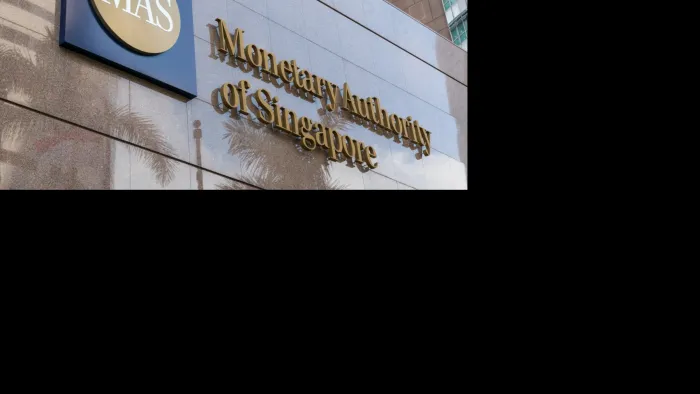
Singapore’s core inflation, excluding the costs of accommodation and private road transport, eased to 1.3% on a YoY basis in April from 1.4% in March, according to data from the Monetary Authority of Singapore (MAS) and the Ministry of Trade and Industry (MTI).
The decline was due to lower electricity & gas and lower food inflation, which more than offset higher services inflation.
Despite lower core inflation, consumer price index (CPI-All Items) inflation rose to 0.8% YoY in April, rising at a faster pace from 0.6% in March, due to a pickup in private road transport costs.
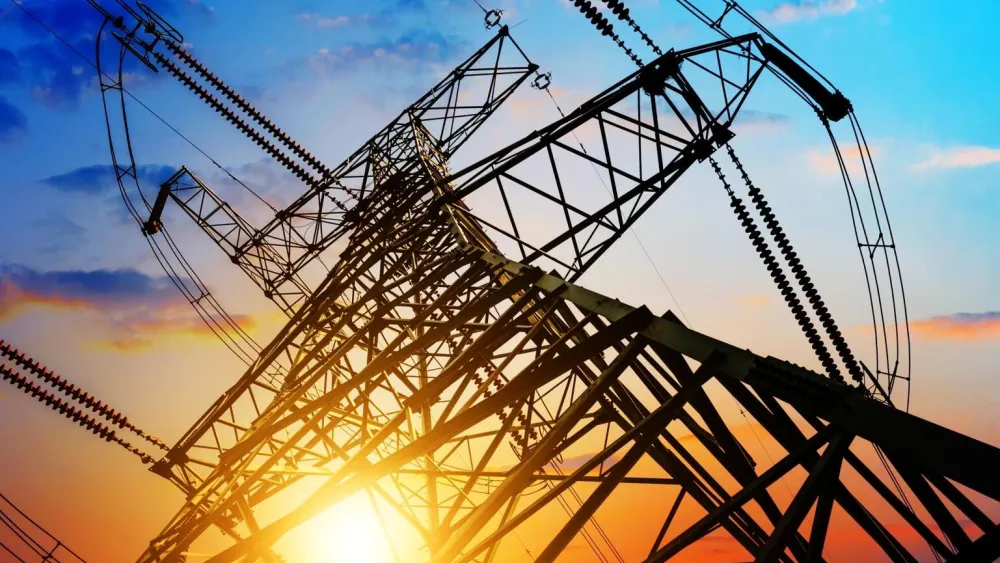
The cost of electricity & gas fell 2.8% YoY in April, reversing the 3.9% increase in the previous month. This was mainly due to lower electricity tariffs and the dampening effect of the phased nationwide launch of the Open Electricity Market (OEM) on electricity prices.
Food inflation also eased to 1.3% YoY in April, from 1.6% in March, as the prices of prepared meals and non-cooked food items registered a smaller increase. MoM, overall food prices slipped 0.1%, as a fall in the prices of non-cooked food items, such as fish & seafood and fruits, outweighed an increase in the prices of prepared meals.
Meanwhile, the overall cost of retail items inched up 0.2% YoY in April, slightly higher than the 0.1% increase recorded in March. This largely reflected smaller declines in the prices of medical products and telecommunication equipment, as well as price increases in personal care products and household durables, which more than offset price declines in clothing & footwear items.
Services inflation came in at 2% YoY in April, higher than the 1.7% recorded in March due to larger increases in holiday expenses, domestic services fees, as well as recreational & cultural services fees. These outweighed the smaller increase in healthcare services fees. “At the same time, the rise in airfares also contributed to the pickup in services inflation,” the agencies added.
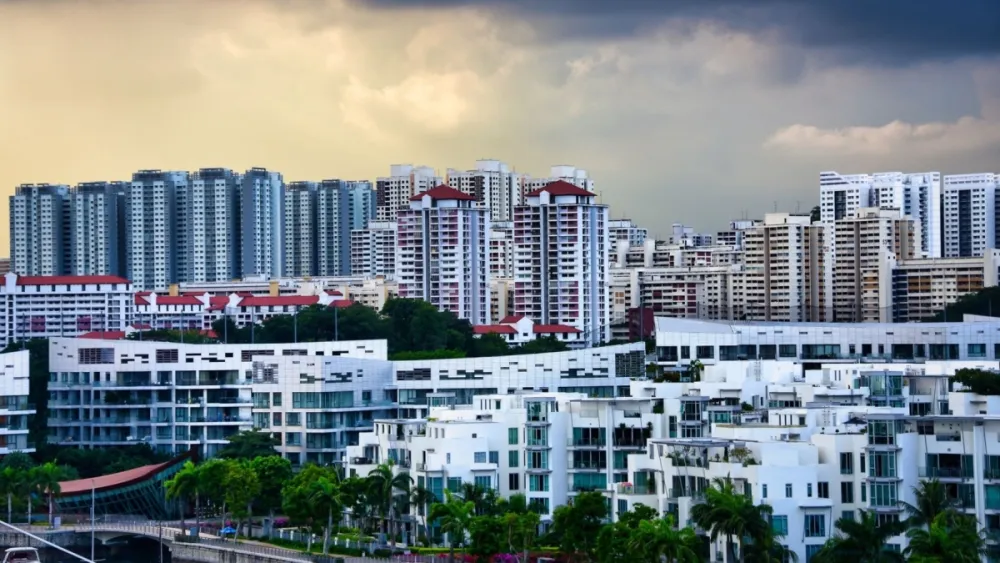
Accommodation costs fell 1.4% YoY in April, the same pace of decline as in March, as a smaller increase in housing maintenance & repairs costs offset a more gradual decline in housing rentals.
According to MAS and MTI, external sources of inflation are likely to be benign in 2019. Whilst global oil prices have risen in recent months, they are currently not expected to exceed last year’s average for 2019 as a whole.
“On the domestic front, labour market conditions remain firm and will support moderate wage increases, such that unit labour costs should continue to rise. However, an acceleration in inflationary pressures is unlikely against the backdrop of slower GDP growth, uncertainties in the global economy, as well as the continuing restraining effects of MAS’ monetary policy tightening in 2018,” the agencies highlighted.
Inflation is expected to come in near the mid-point of the forecast range of 1–2% in 2019. Meanwhile, CPI-All Items inflation is expected to average 0.5–1.5% in 2019, with private road transport costs projected to be largely unchanged from 2018, whilst accommodation costs are likely to decline at a slower pace in 2019.
UOB’s economist Barnabas Gan noted that in addition to competitive electricity prices offered by the OEM space, electricity tariffs charged by Singapore Power (SP Group) is also set to fall by an average of 4.7% (or $1.10 per kWh) over the period April–June 2019.
“The effects of the phased nationwide launch of the OEM on electricity prices will likely last to May 2020, in line with the final phased launch of the OEM back in 1 May 2019. Still, do look out for labour conditions which are likely to stay firm and support moderate wage increases, which in turn could eventually lift unit labour costs and overall inflation,” he highlighted.

![SBR 5 Lorem Ipsum News 2 [8 May]](https://cmg-qa.s3.ap-southeast-1.amazonaws.com/s3fs-public/styles/exclusive_featured_article/public/2025-05/a_hand_pointing_to_a_futuristic_technology_5b87c9d0e3_3.png.webp?itok=M3Hf-9XR)
![SBR 4 Lorem Ipsum [8 May Top Stories]](https://cmg-qa.s3.ap-southeast-1.amazonaws.com/s3fs-public/styles/exclusive_featured_article/public/2025-05/a_hand_pointing_to_a_futuristic_technology_5b87c9d0e3_2.png.webp?itok=2m5Wl0MX)

![Exclusive three SBR 12 Lorem Ipsum [8 May]](https://cmg-qa.s3.ap-southeast-1.amazonaws.com/s3fs-public/styles/exclusive_featured_article/public/2025-05/a_hand_pointing_to_a_futuristic_technology_5b87c9d0e3_11.png.webp?itok=8kn_UIfA)
![Video [Event News]](https://cmg-qa.s3.ap-southeast-1.amazonaws.com/s3fs-public/styles/event_news_featured_article/public/2025-05/screenshot-2025-05-08-at-4.58.53-pm_0.png.webp?itok=Kud35sMs)
![Event News SBR 9 Lorem Ipsum [8 may]](https://cmg-qa.s3.ap-southeast-1.amazonaws.com/s3fs-public/styles/event_news_thumbnail/public/2025-05/a_hand_pointing_to_a_futuristic_technology_5b87c9d0e3_8.png.webp?itok=DTh_dbYp)
![Event News SBR 9 Lorem Ipsum [8 May]](https://cmg-qa.s3.ap-southeast-1.amazonaws.com/s3fs-public/styles/event_news_thumbnail/public/2025-05/a_hand_pointing_to_a_futuristic_technology_5b87c9d0e3_7.png.webp?itok=vzDAzb6V)
![Event News SBR 8 Lorem Ipsum [8 May]](https://cmg-qa.s3.ap-southeast-1.amazonaws.com/s3fs-public/styles/event_news_thumbnail/public/2025-05/a_hand_pointing_to_a_futuristic_technology_5b87c9d0e3_6.png.webp?itok=jvHFc4P6)


![Video [Event News]](https://cmg-qa.s3.ap-southeast-1.amazonaws.com/s3fs-public/styles/video_thumbnail/public/2025-05/screenshot-2025-05-08-at-4.58.53-pm_0.png.webp?VersionId=D7oD2WQTBYjWvOm6.BdwTAjm0dNCr7Kl&itok=yZnI0YBb)














 Read Here
 Advertise
 Sign Up